

Low-power amps have the potential to give a good sound, but it all depends on the correct speakers. Lots of distortion and volume problems are attributed to bad selections of speakers instead of bad amplifiers. Here, the sensitivity of the speakers is really counted. With low-power amplifiers, you can get higher and better quality sound by selecting high-sensitivity speakers that will not strain your amp.
This guide defines the term speaker sensitivity, its importance, and how to select the appropriate speakers to use when using a low-wattage system.
What Does Speaker Sensitivity Mean?
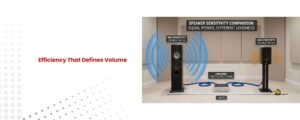
Speaker sensitivity refers to how efficiently a loudspeaker converts electrical power into audible sound. It is expressed in decibels (dB) and indicates how loud a speaker will play with a given amount of power, typically measured at one watt from one meter away. Higher-sensitivity speakers produce more volume with less amplifier power, while lower-sensitivity models require more power to achieve the same loudness. This specification is critical when matching speakers with amplifiers to avoid distortion or power strain. Encyclopaedia Britannica’s loudspeaker overview explains how efficiency and sound output relate to speaker design and performance. This understanding helps ensure balanced, efficient audio systems.
Why High-Sensitivity Speakers Matter for Low-Power Amps
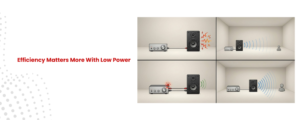
Low-power amplifiers, such as tube amps or compact solid-state units, have limited output. When paired with inefficient speakers, they struggle to reach usable volume and may distort.
More Volume with Less Power
High-sensitivity speakers produce more sound with fewer watts. This allows low-power amps to operate comfortably within their clean range, avoiding clipping and harsh distortion.
Improved Clarity and Dynamics
When an amplifier is not pushed to its limits, sound remains cleaner. High-sensitivity speakers preserve dynamics, making music feel more open and responsive even at moderate volume levels.
Ideal Sensitivity Range to Look For
Not all speakers labeled “efficient” are equally suitable.
Sensitivity Ratings That Work Best
For low-power amplifiers, look for speakers rated at 90 dB or higher. Speakers in the 92–96 dB range are especially well-suited for amps under 20 watts. These ratings allow ample headroom without sacrificing clarity.
Speaker Design Factors That Improve Sensitivity
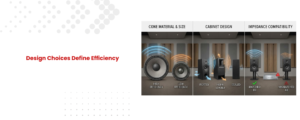
Sensitivity is influenced by more than just numbers.
Cone Material and Size
Larger cones move more air, which improves efficiency. Lightweight cone materials also respond faster to low-power signals, increasing output without strain.
Cabinet Design
Ported and horn-loaded cabinets often increase sensitivity by improving air movement. While cabinet design affects tone, it also plays a major role in efficiency.
Impedance Compatibility
Speakers with impedance that matches the amplifier’s output deliver power more efficiently. Mismatched impedance reduces output and stresses the amp.
High-Sensitivity Speakers vs High-Power Speakers
Many people confuse sensitivity with power handling.
Power Handling Is Not Loudness
A speaker rated for high wattage is not necessarily loud with low power. Power handling describes how much power a speaker can tolerate, not how efficiently it converts power into sound.
Sensitivity Is the Key Factor
For low-power systems, sensitivity matters more than maximum wattage. A highly sensitive speaker with modest power handling often outperforms a low-sensitivity, high-wattage speaker in real listening situations.
Common Mistakes When Choosing Speakers for Low-Power Amps
Avoiding these errors ensures better performance.
Choosing Low-Sensitivity Speakers
Speakers below 88 dB often require more power than low-wattage amps can provide cleanly. This leads to distortion and weak output.
Ignoring Room Size
Even efficient speakers struggle in large rooms if the amplifier is too small. Match speaker sensitivity with room size and listening distance.
Overlooking Impedance Ratings
Running an amplifier outside its recommended impedance range reduces efficiency and may damage components.
Who Benefits Most from High-Sensitivity Speakers?
High-sensitivity speakers are ideal for several setups.
Tube Amplifier Users
Tube amps often deliver lower wattage but excel in tone. Efficient speakers allow them to shine without being overdriven.
Vintage and Compact Amplifiers
Older and compact amps benefit from speakers that maximize output without demanding extra power.
Home Audio and Practice Systems
Efficient speakers provide satisfying volume and clarity at lower listening levels, making them ideal for home use.
Conclusion
The best high-sensitivity speakers for low-power amplifiers unlock volume, clarity, and dynamic range that inefficient speakers cannot. By focusing on sensitivity ratings, speaker design, and impedance compatibility, you can build a system that sounds louder and cleaner without increasing amplifier wattage.
For low-power setups, efficiency is not a bonus—it is essential. Choosing the right speakers allows your amplifier to perform at its best, delivering the sound quality it was designed to produce.